E-Commerce Challenges: What Sellers Are Looking For
E-commerce business owners, whether new or experienced, are constantly searching for ways to improve their operations. The demands of multichannel selling, inventory accuracy, order management, and profitability tracking make it crucial to have the right tools.
What do sellers search for?
- “How do I prevent overselling and stockouts?”
- “What’s the best way to optimize pricing for better profit margins?”
- “How do I automate order fulfillment without hiring a larger team?”
- “Can I track my real profits after platform fees, shipping, and taxes?”
Without the right ERP system, managing multiple platforms can be time-consuming, inefficient, and costly. That’s where Noverstock simplifies the process—helping businesses run smarter, not harder.
1. The Search for Better Inventory Control
The Challenge: Managing inventory across Amazon, eBay, Shopify, and other platforms can be a nightmare when stock levels don’t sync properly. Without real-time updates, sellers face:
Overselling, leading to canceled orders and customer complaints.
Manual stock adjustments, wasting hours of valuable time.
Increased fulfillment delays due to mismanaged stock allocations.
How Noverstock Solves It:
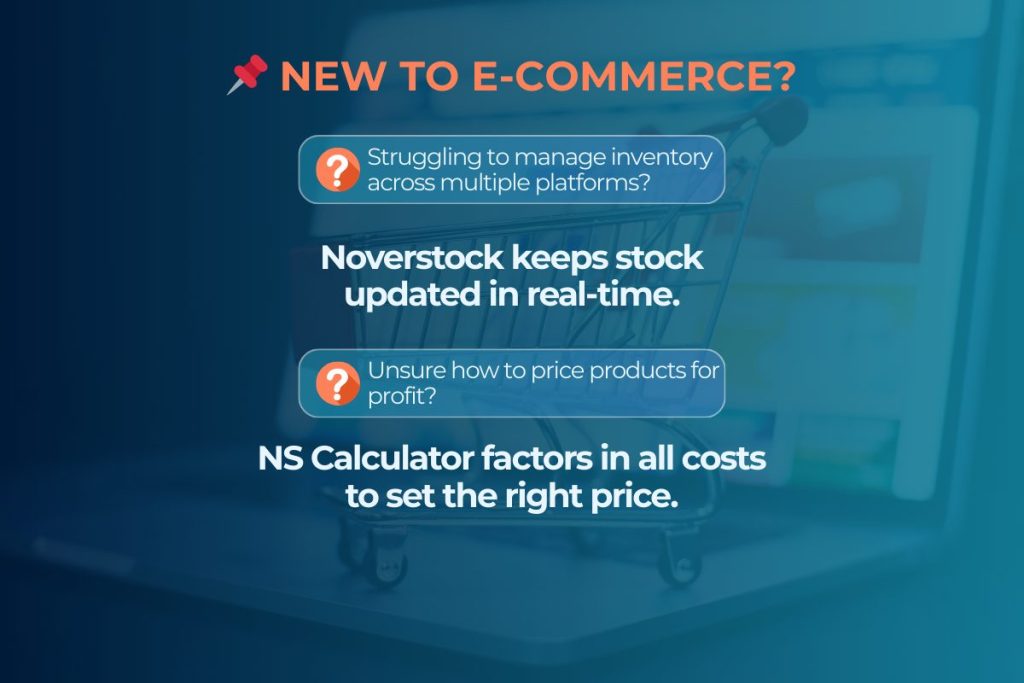
Real-Time Inventory Sync—Automatically updates stock levels across all sales channels.
Multi-Warehouse Stock Tracking—Monitor and adjust inventory across different locations effortlessly.
Low-Stock Alerts—Get notified before running out of high-demand products.
💡 With Noverstock, sellers gain complete control over inventory, preventing stock errors and missed sales.
2. The Need for Smarter Pricing & Profit Optimization
The Challenge: Sellers need a clear pricing strategy to maximize profits while staying competitive. Many struggle to:
Factor in platform fees, shipping costs, and taxes when setting prices.
Adjust pricing quickly across hundreds of SKUs.
Maintain a balance between competitive pricing and healthy margins.
How Noverstock’s NS Calculator Helps:
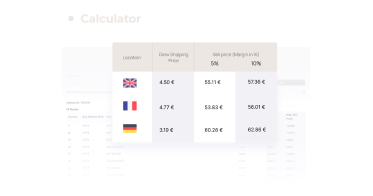
Real-Time Profit Calculations—Automatically considers all platform fees and operational costs.
Smart Pricing Recommendations—Suggests the best pricing strategy for higher conversions.
Bulk Price Adjustments—Update pricing across multiple platforms instantly.
💡 With NS Calculator, sellers confidently set profitable, competitive prices—without guesswork.
3. Automating Manual Tasks for Faster, Smoother Operations
The Challenge: Sellers waste too much time on repetitive tasks like:
Approving orders manually for fulfillment.
Adjusting stock levels after every sale.
Manually updating product listings across platforms.
How Noverstock’s Automation Features Help:
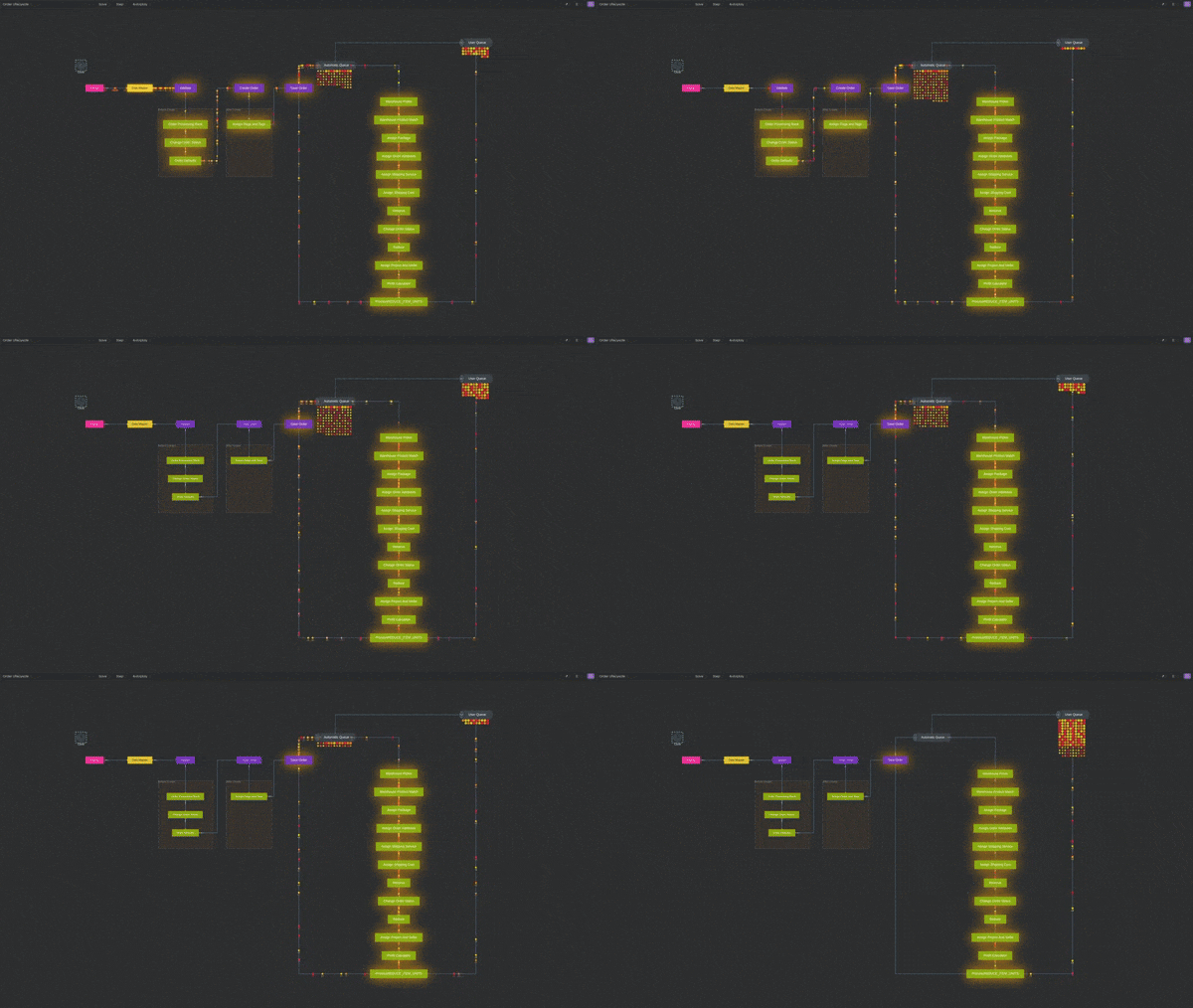
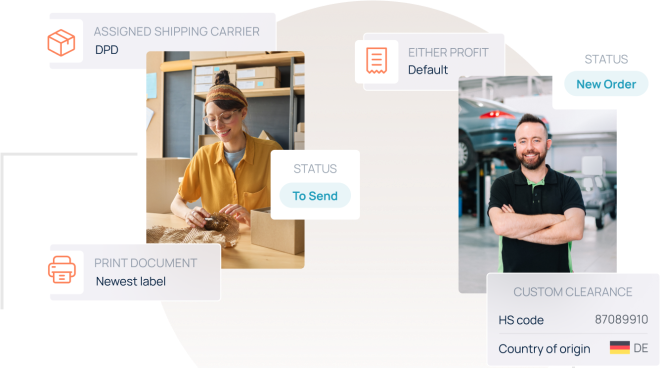
Automatic Order Processing—Orders are approved, assigned, and processed instantly.
Stock & Listing Sync—Automatically updates product details across all channels.
Custom Automation Rules—Create triggers for price changes, stock updates, and order approvals.
💡 By automating daily operations, Noverstock allows businesses to scale without extra workload.
4. Understanding True Business Performance
The Challenge: Many sellers operate without knowing how profitable they really are. Without a clear analytics system, they struggle to:
Identify best-performing SKUs.
Track marketplace-specific sales trends.
Optimize stock purchasing and reordering.
How Noverstock’s Analytics Provide Clarity:
Real-Time Sales Tracking—View sales performance across Amazon, eBay, and Shopify in one dashboard.
Profitability Insights—Get a breakdown of revenue vs. true net profit.
Product Performance Reports—Know which SKUs drive the most sales and profits.
💡 With Noverstock, sellers make data-driven decisions to grow smarter and scale efficiently.
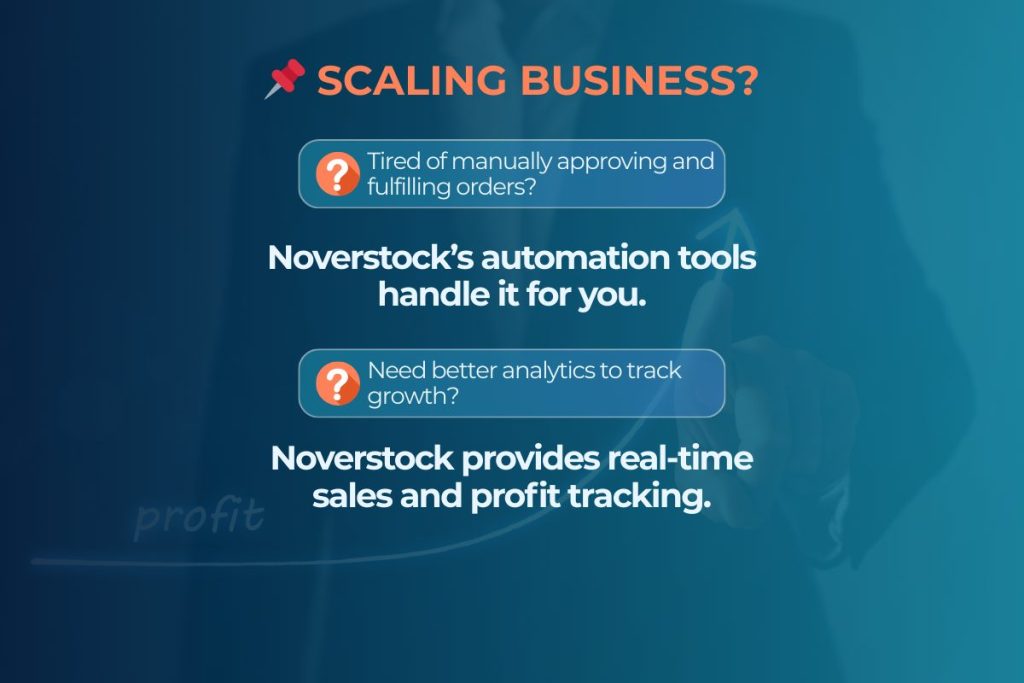
Are You a High-Volume Seller?
- Need a fully scalable ERP solution? ✅ Noverstock centralizes operations and scales with your growth.
- Want to reduce errors and automate complex workflows? ✅ Custom rules handle pricing, stock updates, and order fulfillment.
No matter your business stage, Noverstock is designed to help you succeed.
Book a Demo Today! and experience how Noverstock transforms your e-commerce operations.